Bridge Games Techniques to Sharpen Your Strategy
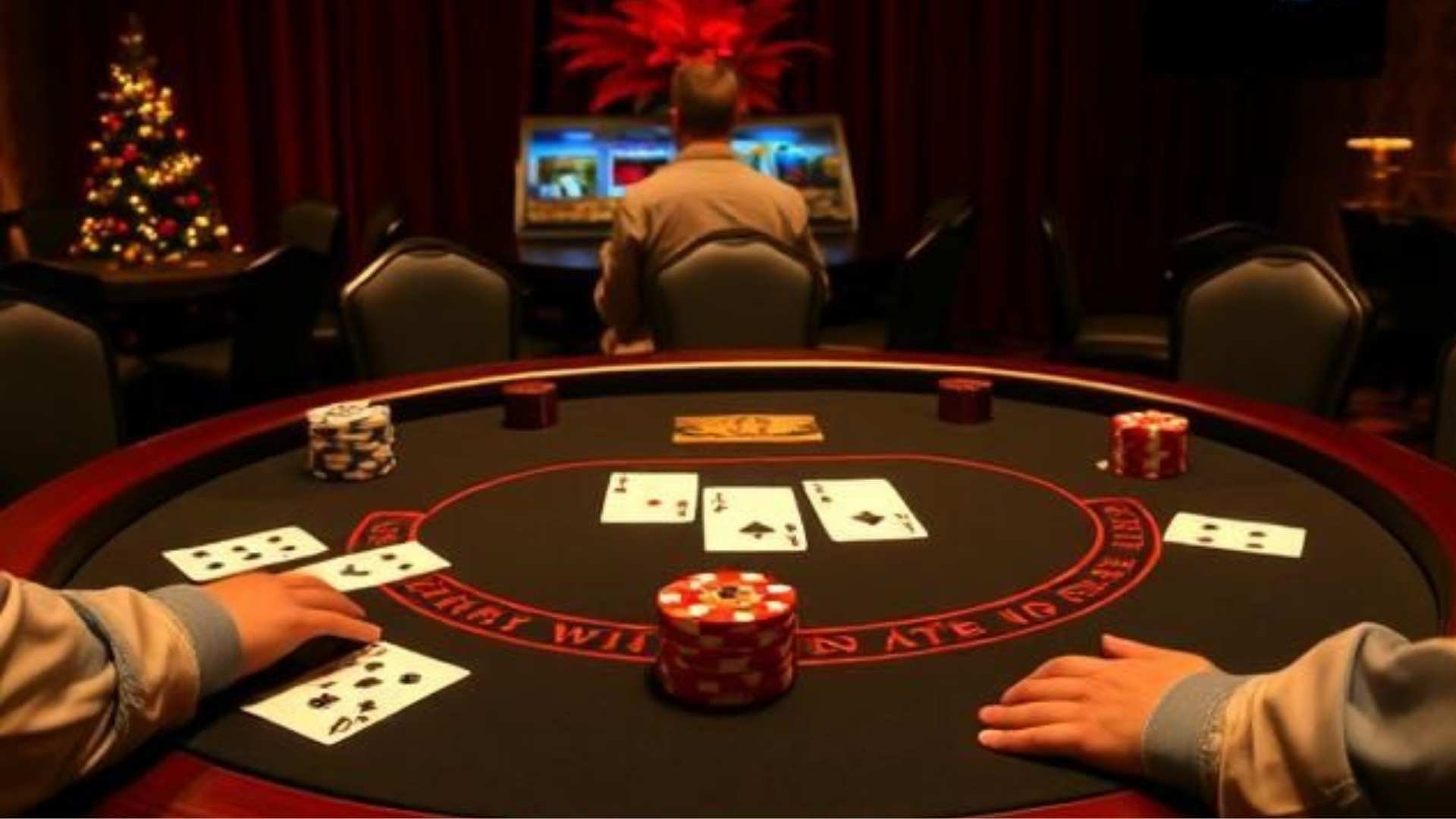
Mastering the intricacies of bridge requires a dedication that goes far beyond simply understanding the basic rules of bidding and play. To truly elevate your performance and outperform experienced opponents, you must integrate advanced tactical foresight into your daily routine. Refining your tactical approach is the single most effective way to secure consistent victories at the card table.
Advanced Bidding Communication
The auction phase is the absolute foundation of any successful bridge hand, setting the strategic parameters for the entire round. Experienced partnerships rely on highly structured bidding conventions to accurately convey hand strength and card distribution. Misinterpreting a partner's subtle signal can easily derail an otherwise winning contract before the play even begins.
To establish seamless coordination, players must spend considerable time discussing defensive bids, overcalls, and slam invitations. Utilizing dedicated online platforms like the M88 Msports Login portal can assist in training your cognitive capabilities for high-pressure competitive scenarios. When both partners operate with shared understanding, navigating complex bidding situations becomes a fluid and predictable process.
Tactical Card Play and Planning
Once the final contract is established, the declarer must immediately formulate a comprehensive plan before executing the very first trick. Taking a few moments to mentally map out potential risks and card distributions is a hallmark of elite play. You should carefully identify your immediate winners and plan how to safely establish your longest side suits.
Managing your entries between the hand and the dummy is critical to keeping control of the game flow. Experienced declarers constantly watch the defender's discards to deduce the remaining hidden cards. Executing a successful finesse or trump squeeze requires patience and precise mathematical calculation.
Mastering Defensive Signals
Defending successfully is widely considered the most demanding yet rewarding aspect of competitive card games. Unlike the declarer, defenders must operate with limited visibility, relying entirely on cooperative signaling systems to share crucial details. An effective opening lead can instantly disrupt the opponents' offensive plans and set a defensive trap.
Standard signals help partners communicate their card strength and preferred suits without violating table etiquette. Observing subtle clues, such as the speed of play and card selection, helps defenders build an accurate mental map of the table. Consistent defensive synergy is often the ultimate deciding factor in competitive tournaments.
Developing Mental Resilience
Bridge is as much a psychological challenge as it is a game of mathematical probabilities and logical deduction. Staying focused through long, exhausting tournament sessions requires immense mental stamina and emotional control. Even the most seasoned players must learn to quickly recover from occasional tactical mistakes.
Reviewing historical hands and analyzing failed strategies is a highly recommended practice for continuous personal growth. By studying your decision-making patterns under pressure, you can systematically eliminate weak points in your strategic execution. Over time, these deliberate training habits will translate into a sharper, more confident presence at the table.