The Role Of Randomness In Creating Replayable Games
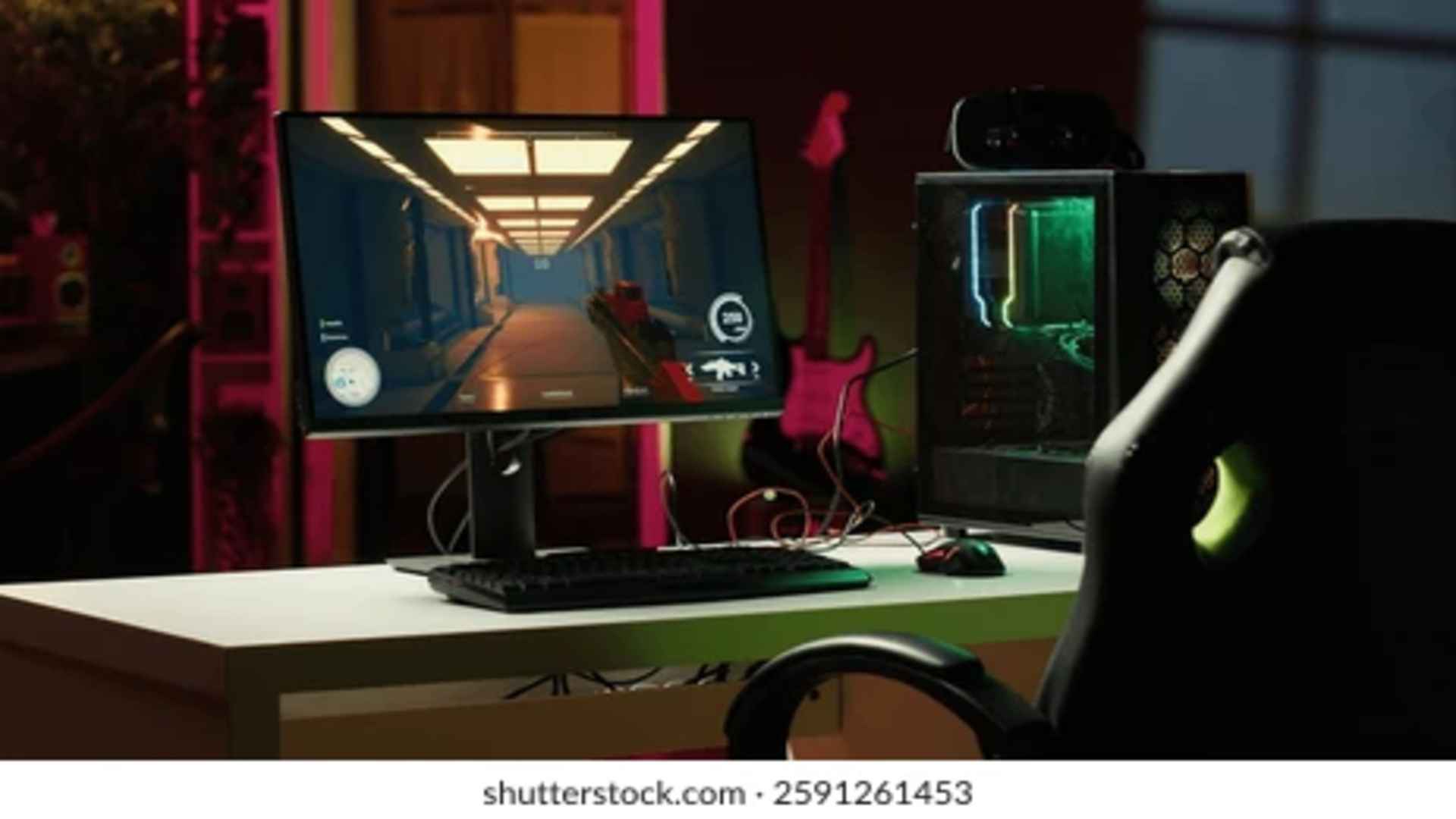
Modern video games often face the challenge of keeping players engaged after the main storyline concludes. To address this, game designers frequently implement elements of chance to ensure that no two playthroughs feel identical. By introducing unpredictable variables, developers can transform static environments into dynamic experiences that encourage continuous exploration.
The Core Mechanics of Unpredictable Gameplay Systems
Randomness serves as a foundational building block for establishing high replay value in modern interactive entertainment. When specific events or resource locations are randomized, players must rely on real-time adaptability rather than memorized patterns. This shift from prediction to reaction keeps the core gameplay loop feeling fresh and highly engaging over extended periods.
Furthermore, procedural generation algorithms allow developers to construct expansive worlds without designing every landscape manually. This approach ensures that entering a new zone always carries a genuine sense of discovery. As a result, users remain motivated to launch additional sessions to uncover hidden content.
How Chance Influences Decision Making and Strategy
When strategic situations incorporate random factors, players are forced to weigh risks differently during each match. Instead of executing a single optimized strategy, individuals must continuously evaluate changing environmental conditions. This ongoing necessity for tactical adjustment turns routine choices into compelling cognitive challenges.
Many popular digital entertainment platforms utilize similar probability structures to create a high level of long-term excitement. For example, gaming systems often integrate variable ratio systems, much like the promotional frameworks seen at platforms offering a 奖金 m88 to reward users. These mechanics sustain player interest by balancing unpredictable constraints with highly satisfying outcomes.
Balancing Pure Luck with Meaningful Player Agency
Successful game design requires a careful equilibrium between randomized variables and individual skill levels. If a game relies too heavily on pure luck, participants may feel frustrated by a total lack of control over their progression. Conversely, a completely deterministic environment risks becoming predictable and losing its entertainment value too quickly.
To solve this dilemma, developers often implement controlled randomness, where players possess the necessary tools to mitigate bad luck. Giving users strategic choices allows them to overcome difficult situations caused by sudden shifts in the environment. This balance ensures that victories feel earned through skill rather than sheer fortune.
The Psychological Longevity of Evolving Environments
Human psychology is naturally drawn to unpredictable systems because they break up the monotony of rigid daily routines. The continuous presence of small surprises triggers a steady flow of anticipation and cognitive engagement during play. This psychological drive explains why roguelike genres and randomized match formats maintain massive communities for years.
Ultimately, embedding randomness into core game designs shifts the focus from winning a specific match to mastering the system. Players learn to appreciate the depth of the mechanics rather than just memorizing standard level layouts. This design philosophy continues to shape the future of immersive and deeply replayable interactive media.